
Perfect little treats for afternoon tea
Pavlova is one of those desserts that never fails to please, young and old alike. A sweet that has been high on my dessert menu since I was a child and I can’t even begin to think of how many egg whites I have whisked up over the years! My mother always made pavlova for her dinner parties and as kids we would eagerly wait for the return of the pavlova from the dining room, hoping that some would be left…most of the time, none! However, pavlova was made on many other occasions, much to our delight. When my children come back from university for the holidays, pavlova is always one of their requests.
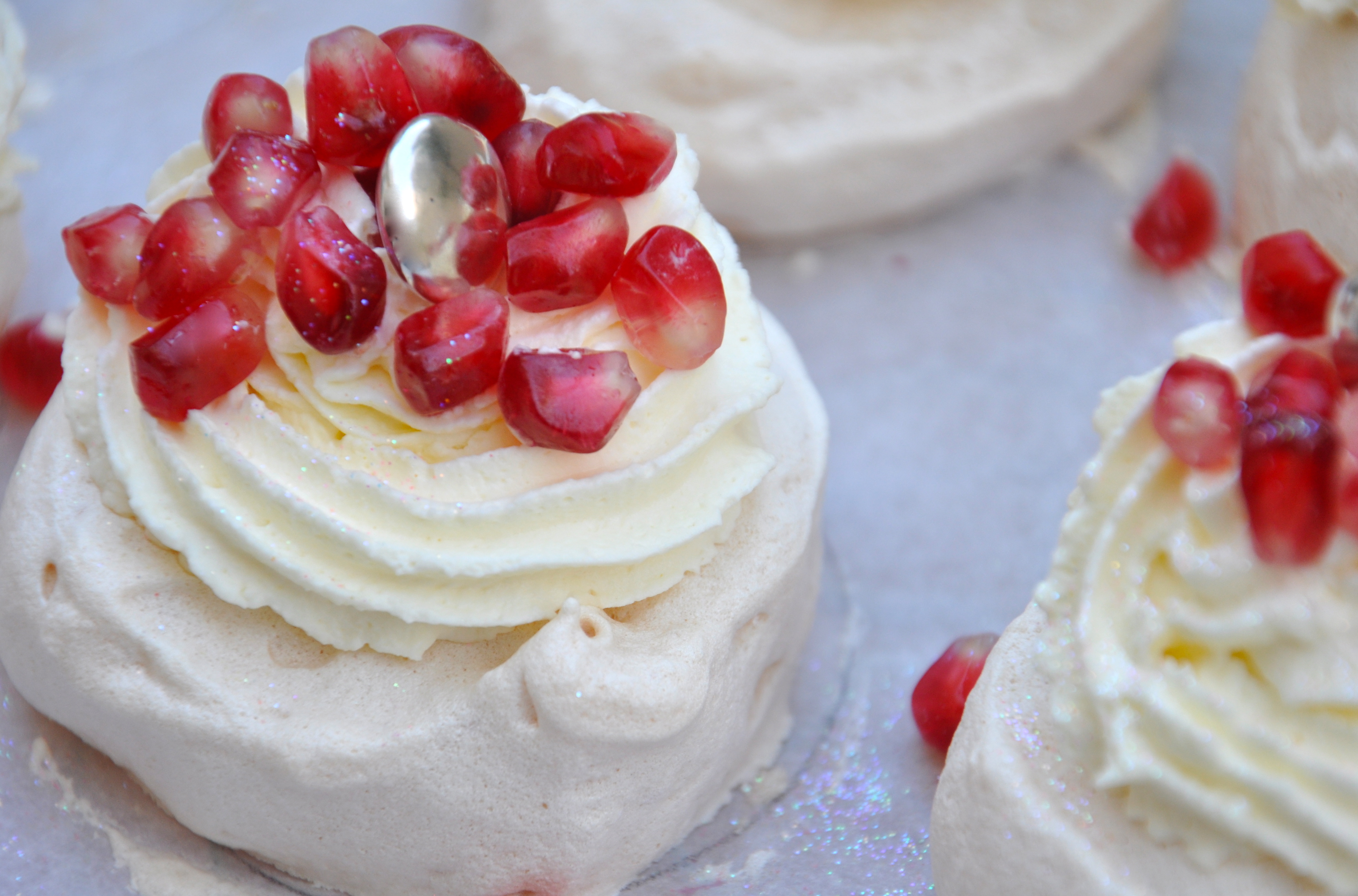
This pavlova post is part of the Great Australian Pavlova Blog Hop. As I have been making this dessert for many years and have tried recipes with the addition of cornflour (keeping the center soft), vinegar, pinches of salt or cream of tartar (stabilization), I have come to the conclusion that… I can make a successful pavlova (crisp on the outside and marshmallowy in the middle) with just the egg whites and sugar… it works for me!
Pavlova Bites with Rose Scented Cream and Pomegranate
Ingredients:
- 2 large egg whites
- 110g castor sugar
for the topping:
- 150ml of whipping cream
- 1 heaped teaspoon of icing sugar
- 1 teaspoon of rose-water (or more to taste)
- 2 pomegranate, kernels removed
- edible glitter
- 12 silver degrees
- electric whisk
- baking tray
- kitchen weighing scales
- mixing bowl
- sieve
- spatula
How to make:
Preheat the oven to 275F/Gas mark 1/130C Fan.
With a pencil or marker draw 12 2” inch circles onto baking parchment and lay (marked side down) onto a lightly greased baking tray.
In a medium bowl, beat the egg whites with an electric whisk on high-speed until soft peaks form. Gradually add the castor sugar a little at a time (heaped tablespoon) and continue to whisk until all the sugar has been incorporated and dissolved with the egg white. After about 10 minutes whisking, the mixture should be smooth, shiny and holds very firm points on the whisk when you lift it out of the mixture.
Either spoon or pipe ( piping bag with a plain nozzle) the mixture onto the traced circles, using a palette knife to level the top and smooth the sides.
Place the baking tray into the oven and bake for about 1-1/4 hours or until the pavlovas feel dry to touch and peel easily from the baking parchment. Turn off the oven and let the baked pavlova sit for a further 15 minutes in the oven with the door propped open with the handle of a wooden spoon. Remove the pavlovas from the oven and leave to cool completely on wire cooling racks. Some may crack, do not worry as it only adds to their charm.
make ahead
Once cooled they can be placed into an airtight container and stored in the fridge for a couple of days before topping with cream and fruit.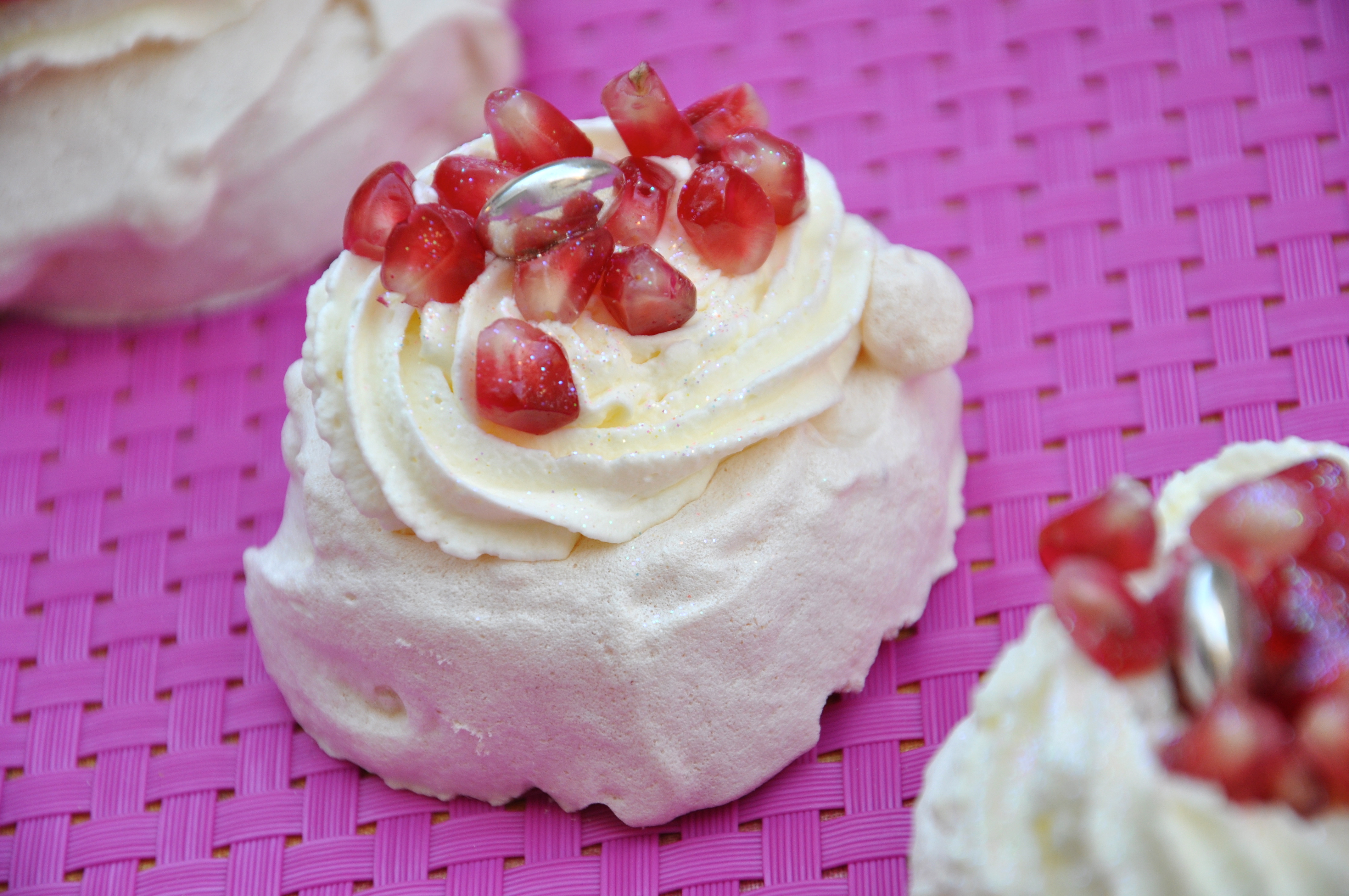
assembling the pavlova
A few hours before serving, pour the cream into a bowl and sieve in the icing sugar. Using an electric whisk, whisk the cream until it holds soft peaks. Add the rose-water, folding into the cream using a spatula. Top each mini pavlova with some cream and scatter over the pomegranate seeds. Place a silver degrees on top and dust over some edible glitter. Cover and place in the fridge until needed.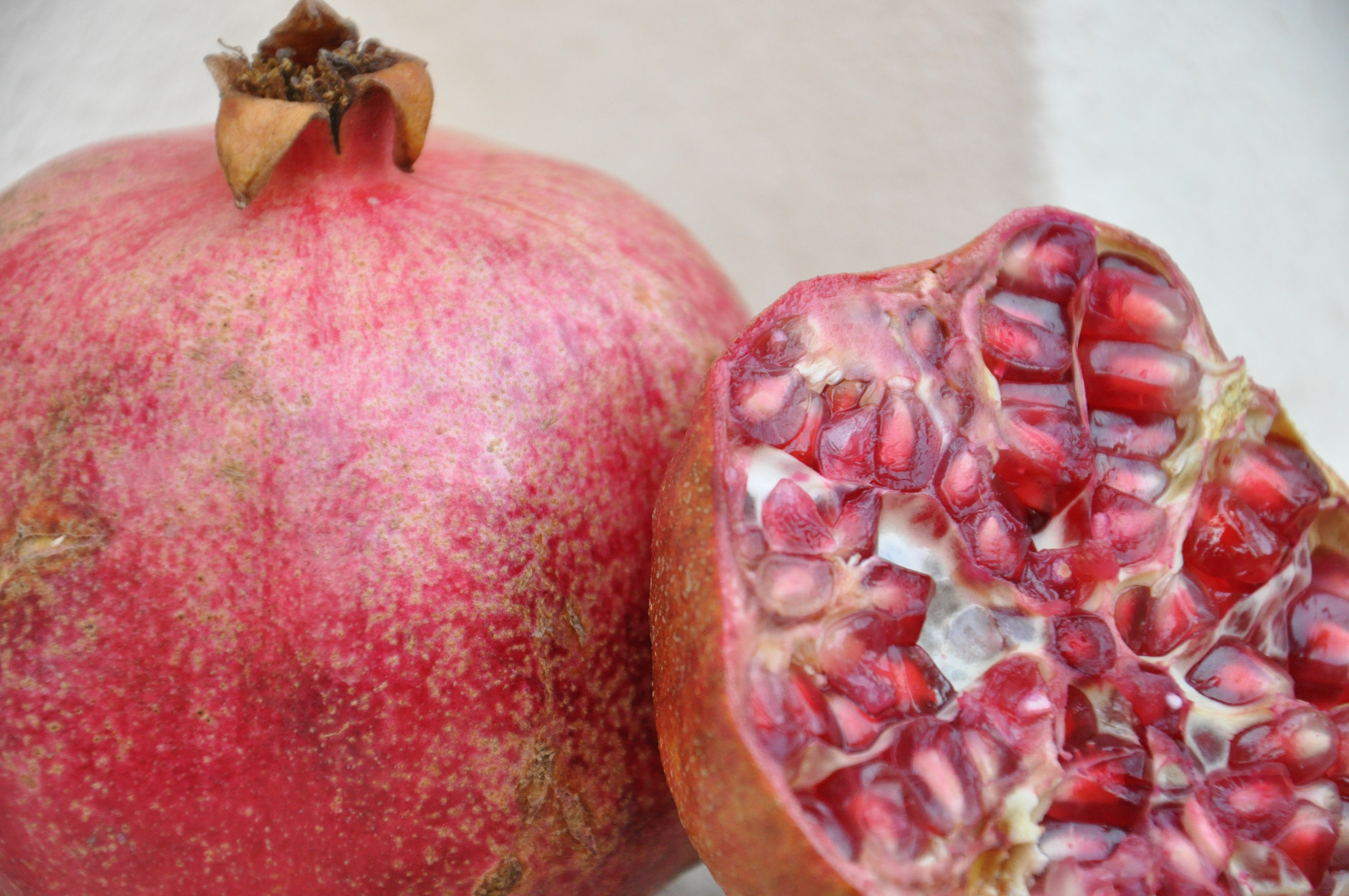
tips for a successful pavlova
- Use room temperature egg whites
- Make sure the bowl and whisk are free from any form of grease or the egg whites will not whisk successfully
- Do not let any part of the yolk enter into the whites or the egg whites will not whisk successfully.
- Use castor sugar, not granulated.
- Check your oven is at the correct temperature using an oven thermometer.


You must be logged in to post a comment.