appetizers · food + drink

Bahraini Kebab

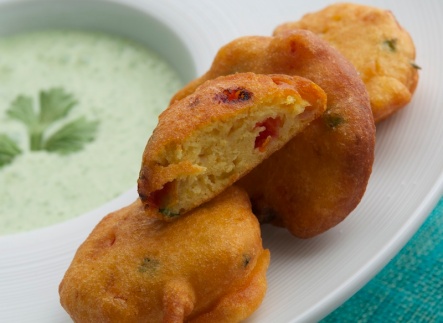
When served Bahraini kebab, you will not find yourself eating… a dish consisting of small pieces of meat, tomato, onions, etc., threaded onto skewers and grilled, generally over charcoal, which is the dictionary definition. Instead you will be served a vegetarian snack made from a thick batter, which has been shallow-fried, making this kebab resemble a pakora or a pakoda… in my opinion!

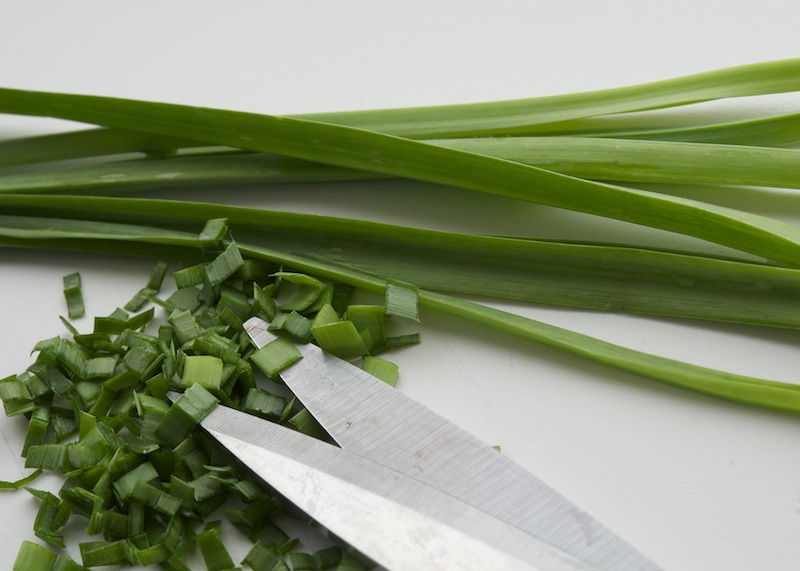
The batter for the Bahraini kebab is made using chickpea flour, known locally as kebab flourbesan and gram flour are also other names for chickpea flour. Tomato, onion and other spices are some of the ingredients incorporated into the batter, however ingredients may differ from household to household. Adding kurrat (so does my sister in-law) which is locally known as “bughel” adds a nice onion flavour to the kebab. Kurrat is also known as Egyptian leek and looks like long flat blades of grass which are widely grown in the Middle East.
The Bahraini kebab is very popular during Ramadan and usually served during Iftar. But also eaten and enjoyed as a snack with a cup of sweet tea (chai) anytime of day. Having had my fair share over the years… it’s a bit like throwing buns to an elephant, these kebabs are so delicious and I can never stop at just one!  Crisp on the outside with a soft interior, the Bahraini kebab makes a great little spicy vegetarian appetizer for passing around when entertaining. Also, delicious when served with a cool refreshing (will post recipe) yoghurt and coriander dipping sauce.
Bahraini Kebab
Bahraini Kebab

Bahraini Kebab

Ingredients:

  • 150g chickpea flour or kebab flour
  • 1/4 teaspoon baking powder
  • 3/4 teaspoon salt
  • 1/4 teaspoon red chilli powder
  • pinch of garam masala spice mix
  • 1 egg
  • 140ml water
  • 2 tablespoons of finely chopped tomato
  • 1 tablespoon of finely chopped red onion
  • 3 blades kurrat, finely chopped
  • 1 small green chilli, finely chopped
  • 1 small garlic clove, peeled and crushed

You will also need some sunflower oil for shallow-frying.

How to make: Sieve the chickpea flour, baking powder, salt, chilli powder and garam masala into a medium mixing bowl. Make a well in the center of the chickpea flour, add the egg and pour in the water, whisking all the ingredients together until the batter is smooth. Add in the tomato, onion, kurrat, chilli and garlic, mix all the ingredients together and leave the batter (covered) to rest in the fridge for about 25 to 30 minutes.

Shallow fry: Pour sunflower oil ( approximately 1/2 inch deep) into a frying pan and heat until the oil becomes hot. Place tablespoons of batter carefully into the hot oil and fry until deep golden, flipping the kebab over, cooking the other side. When cooked remove the kebab from the oil with the help of a slotted spoon and transfer onto a plate covered with some paper kitchen towel to absorb any excess oil. Serve warm.

Note: Recipe can easily be doubled which will make approximately 30 pieces!
posts · sweets and chocolates

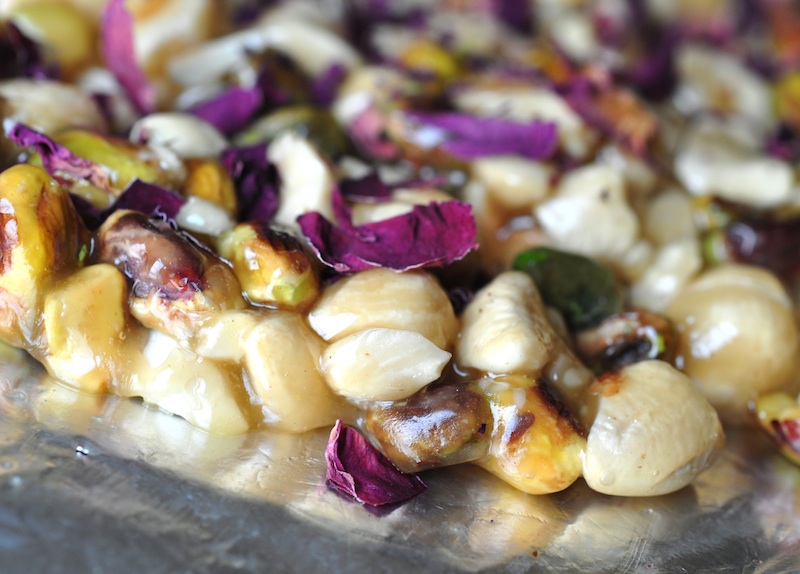
nut brittle with dried rose petals and vanilla salt

This months Sweet Adventures Blog Hop is “Nuts about Sweets” and is hosted by Nic from Dining with a Stud. Nuts and seeds are good for your health… they help boost the immune system, are good for anemia, vision, memory, energy, muscles, a healthy nervous system and help lift your mood… well nut brittle definitely lifts the mood! We love nuts and seeds in our family and there is always some type of nut or seed stored in the fridge… making them a quick grab and go type of snack!

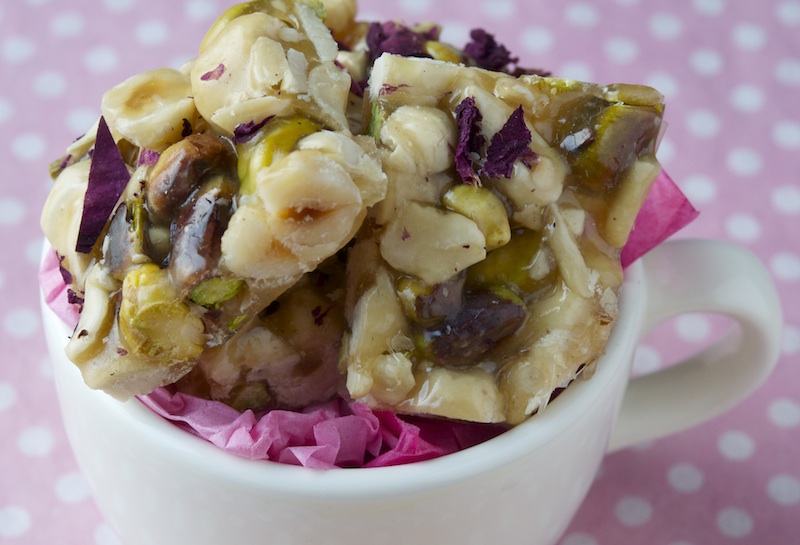
Basic brittle is pretty much the same all over the globe, caramelized sugar surrounding some type of nut or seed! Sometimes other flavours such as cardamom, vanilla and rose-water may be added. In India they use jaggery instead of white sugar and refer to brittle as Chikki! The addition of baking soda in the recipe creates loads of tiny air bubbles and lightens the density of the caramel, making the brittle hopefully more tooth friendly! If you are not a nut or seed fan but love caramelized sugar, making honeycomb to nibble on is also a delicious sweet treat!

Cut into neat pieces or broken into uneven shards it all tastes good and can be enjoyed with a nice cup of coffee or tea… but I especially love having these delicious nut treats with Arabic coffee Pressing dried rose petals on top of the brittle while still warm and sticky adds a hint of rose flavour and a little glamour. Breaking the nut brittle into small pieces and mixing with a light sprinkling of vanilla sea salt to nibble on is a very moorish combination of sweet and salty! 

 Nut Brittle with Dried Rose Petals and Vanilla Salt

Ingredients:

  • 50g unsalted cashew nuts, roughly chopped
  • 50g hazelnuts, halved
  • 50g unsalted pistachio nuts, left whole
  • 2 tablespoons water
  • 15 g clarified butter or unsalted butter
  • 175g granulated vanilla sugar or plain granulated sugar
  • 1 teaspoon glucose syrup
  • 1/8 teaspoon baking soda
  • 1 to 2 tablespoons of crushed dried rose petals
  • to serve, vanilla salt (optional)

Note: It is important when making brittle that you have all your preparation done beforehand as brittle sets very quickly!

How to make:  Cover a chopping board with foil and grease with some unsalted butter or vegetable oil. Have on standby a large greased chopping knife and a small flat-bottomed stainless steel tin or cup (to help flatten the brittle), grease the bottom.

Place a medium thick bottomed saucepan over gentle heat, add the water, butter, sugar and glucose. Gently stir with a wooden spoon making sure that all the sugar has been completely dissolved, brushing down the inside of the pan with a wet pasty brush if any sugar crystals have stuck to the sides! Once the sugar has been completely dissolved turn up the heat and bring the sugar syrup to a boil, leave to bubble without stirring until the sugar syrup takes on a very light golden colour.

When the syrup is light golden remove from the heat and add the baking soda, followed by the nuts, gently but quickly coat the nuts with the now caramelized nut and immediately empty the contents of the pan onto the greased foil. Flatten the brittle with the bottom of the tin into about a 1/4 inch thickness. Press the dried rose petals over the top of the brittle, if using. While the brittle is still warm mark into desired shapes with the knife, makes cutting easier when cool. Sore in an airtight container.

Before serving sprinkle over a little vanilla salt, if desired or when entertaining, leave a little dish of vanilla salt on the side and let guests salt their own brittle!

This post is part of the Sweet Adventures Blog Hop Nuts about Sweets... click here and scroll down to the end of the post to see all the other nutty entries!

desserts · food + drink · posts

turkish rice pudding – sütlac

Cooked on a stove top or baked in an oven, eaten hot or cold, rice pudding is enjoyed all over the globe. The basic ingredients for this simple but wholesome dessert are similar… rice, milk/water and sugar, but it is the variations, flavourings and additions by different cultures that give each rice pudding its own characteristic taste. The rice pudding I knew and loved when growing up was made using milk, sugar and raisins, sometimes enriched with cream and egg yolks and then baked in the oven… comfort food at its best!

Last month Suzanne Husseini visited Bahrain at Words Bookstore Café promoting her cookbook… Modern Flavours of Arabia “when suzanne cooks” and her delicious version of rice pudding is flavoured with rosewater, orange blossom water and the seeds of a vanilla pod, served with a Date Compote.

Inspired by Suzanne’s cookbook I decided to make Sütlac,  a Turkish rice pudding that is sometimes flavoured with rosewater and mastic, and wanting to include an orange flavour in the rice pudding, decided to add some pieces of my home-dried orange peel.  What I love about a basic rice pudding is… it’s like a blank canvas and you can experiment with a myriad of different culinary flavors.

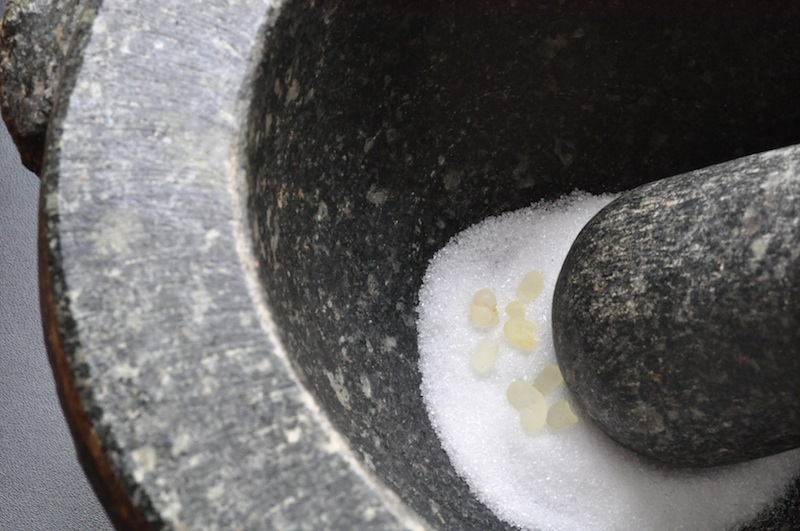
Chios mastic is an aromatic resin harvested from the Pistacia Lentiscus var. Chia (of the Anacardiaceae family) tree which grows on the Aegean Island of Chios, Greece. Chios mastic has both culinary (pastry, puddings, liqueurs, sweets, ice-cream, marinades, rice,soups and meats ) and commercial uses. If you look at some of the commercial ways in which mastic is used… plasters, cosmetics, varnish, toothpaste, stabilizers, perfumes and chewing gum…  you do wonder how it ever ended up in anything sweet or savoury!  Suzanne uses mastic in some of her sweet and savoury recipes in her cookbook which she grinds together with sugar or salt before incorporating into other ingredients.

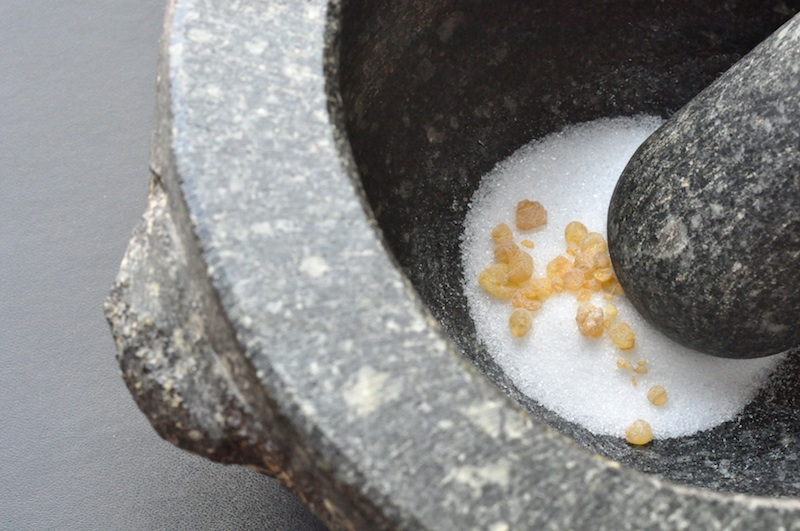
Bahrain is known for its herbalist stores ( hawaj ) across the island, which make many natural herbal preparations for all sorts of aliments, some of which contain mastic… also known for its medicinal properties. Ghazi from Al Makhlook stores  in Jid Ali was able to supply me with mastic that came from the Greek Island of Chios… and was also able to tell me that my other supply of mastic which I had bought some time ago was definitely not from (photograph above) Chios! 

Chios mastic has pine-like aromas and a sweet warm perfumed flavour… some have suggested vanilla, cedar and licorice… which seemed to have escaped me! I must say it is hard to describe this unique flavour! The other mastic I had used before was harsh in flavour and had a slight bitter aftertaste, apparently there is another type of tree which produces a similar mastic resin! I guess it’s like tasting a good wine compared to an inferior wine… you taste the difference!

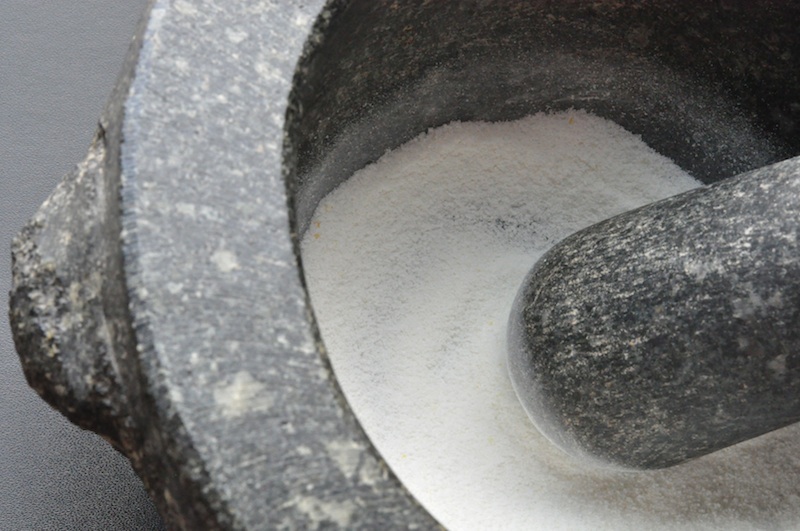
Use a pestle and mortar to grind the mastic and sugar into a fine powder,this helps disperse the mastic evenly into the rice pudding when incorporating.

 Turkish Rice Pudding – Sütlac

                                                          (serves 4)

Ingredients:

  • 250ml whipping cream
  • 375ml whole milk
  • 4 dried pieces of home dried orange peel or 1 small stick of cinnamon
  • 100g sugar
  • 300ml water
  • 1/8 teaspoon sea salt
  • 150g short grained rice,
  • 2 teaspoons of cornstarch + 2 tablespoons of milk, mix together
  • 1/4 teaspoon mastic + 1 tablespoon granulated sugar, ground together (optional)
  • 2 teaspoons rosewater
  • dried rose buds as a garnish, if desired

How to make: Pour the cream and milk into a medium saucepan, add the orange peel or cinnamon, heat together until almost boiling. Remove from heat, whisk in the sugar and leave the orange peel or cinnamon to infuse, cover with a lid.

In a heavy-based saucepan bring the water to a boil, throw in the salt and rice, stir so the rice does not stick together. Lower the heat and gently simmer the rice (cover with lid) until tender and the water has been absorbed, around 17 minutes.

Pour the cream and milk infusion into the cooked rice and place saucepan over medium heat, stir continuously until the rice mixture comes to a gentle boil. Whisk in the cornflour mixture and cook for a further 2 minutes until thickened. Whisk in the ground mastic and stir throughly. Remove from heat, discard the orange peel or cinnamon stick and stir in the rosewater. Spoon the rice into a serving bowl or small individual serving dishes and chill in the refrigerator before serving. Best served cold but can be eaten warm, if desired!

Note: The rice pudding will thicken further when cold, you can stir in a little cold milk if you find the consistency is not to your liking! This recipe can easily be doubled.

What flavourings and additions do you like in your rice pudding?