food + drink · posts · store cupboard

how to make garam masala

Garam masala means warm or hot spice mix and is a blend of spices used extensively in Indian cooking. There are many variations of garam masala as there are cooks and this depends on taste, the recipe being prepared and the region.

Sometimes garam masala is referred to as a finishing spice and can be sprinkled over the surface of a finished dish just before serving or added towards the end of cooking, enhancing the dishes fragrance and flavour. Also this spice mixture (whole or ground) can be added to recipes at the beginning stages of cooking.
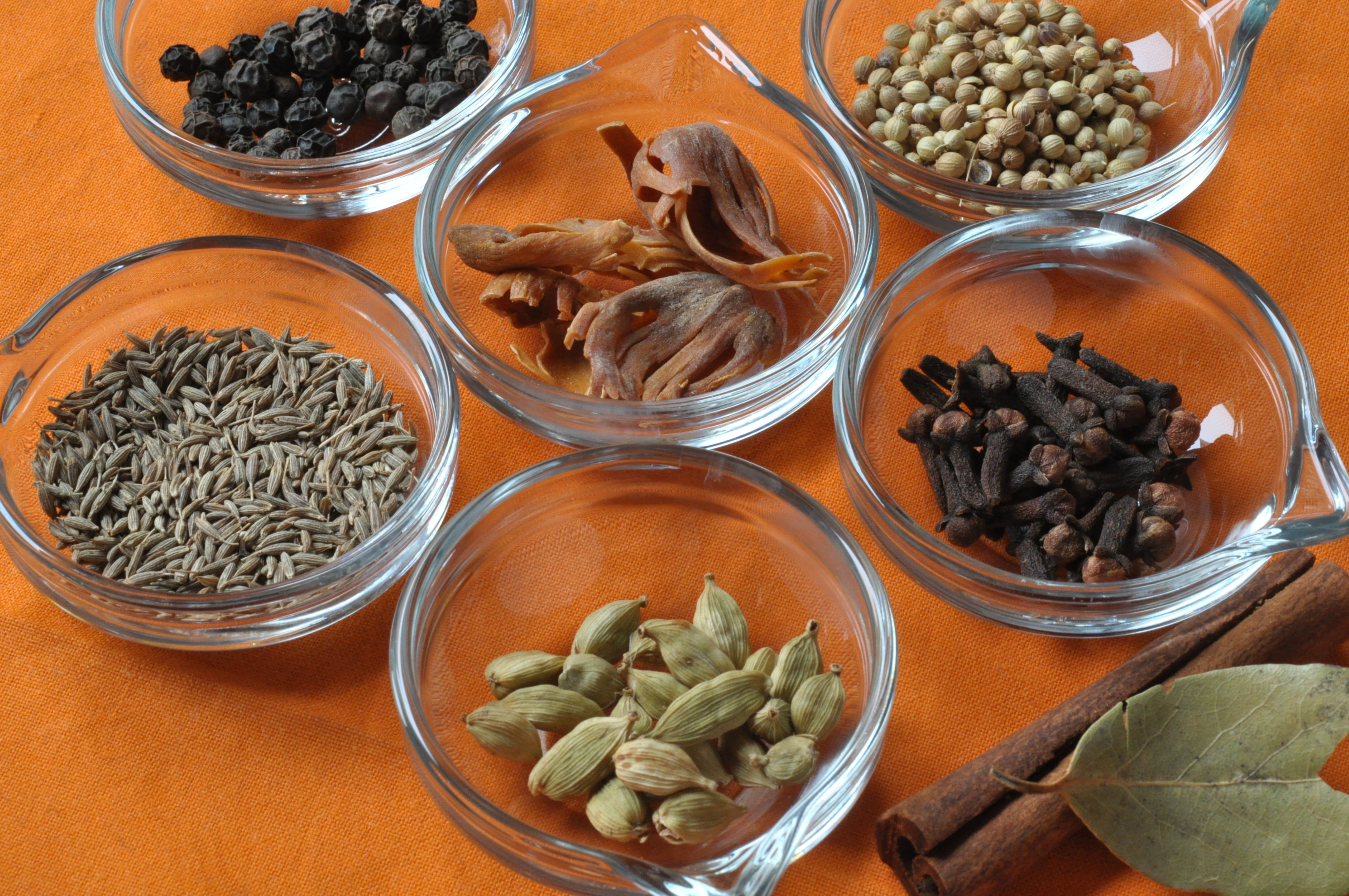
Making a visit to the souk (spice section) in Manama, I managed to stock up on some whole spices, some of which will be used to make a fairly basic garam masala which I use when cooking Dhal Makhani... which happens to be one of my favourite Indian dishes!  Usually I grind small batches of the whole spices using my electric spice grinder which does the job, although not as finely ground as shop bought! An electric coffee grinder can also be used, solely for the purpose of grinding whole spices… unless you are happy to consume spiced ground coffee!
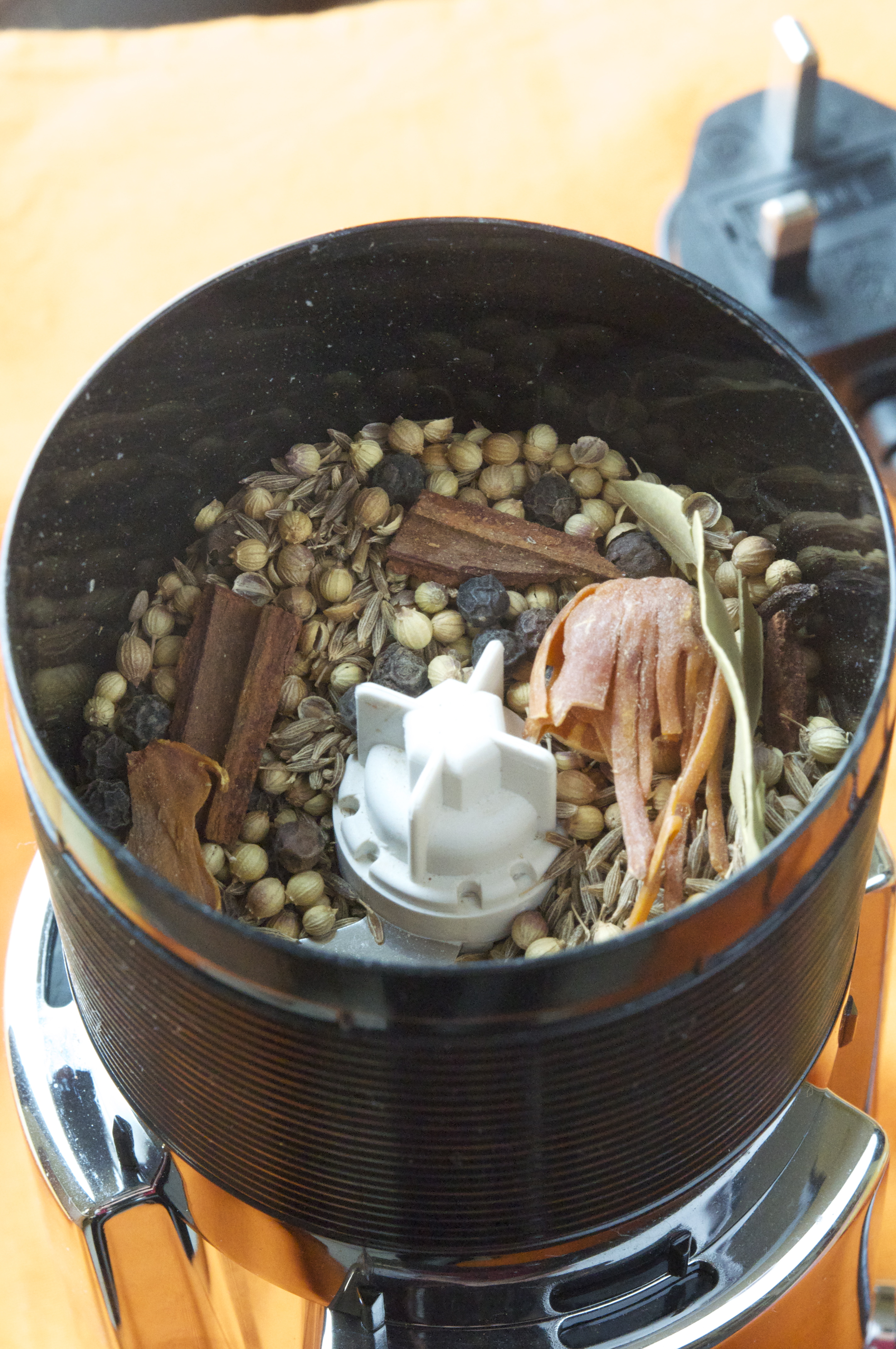
Bahrain’s shops, supermarket’s and souk’s are stocked with a huge array of ground spices and spice mixes (which I buy at times) and that means never needing to grind another spice! However, grinding whole spices at home will provide maximum freshness, bringing the aroma and flavour of the spices to another level!

Garam Masala

Ingredients:

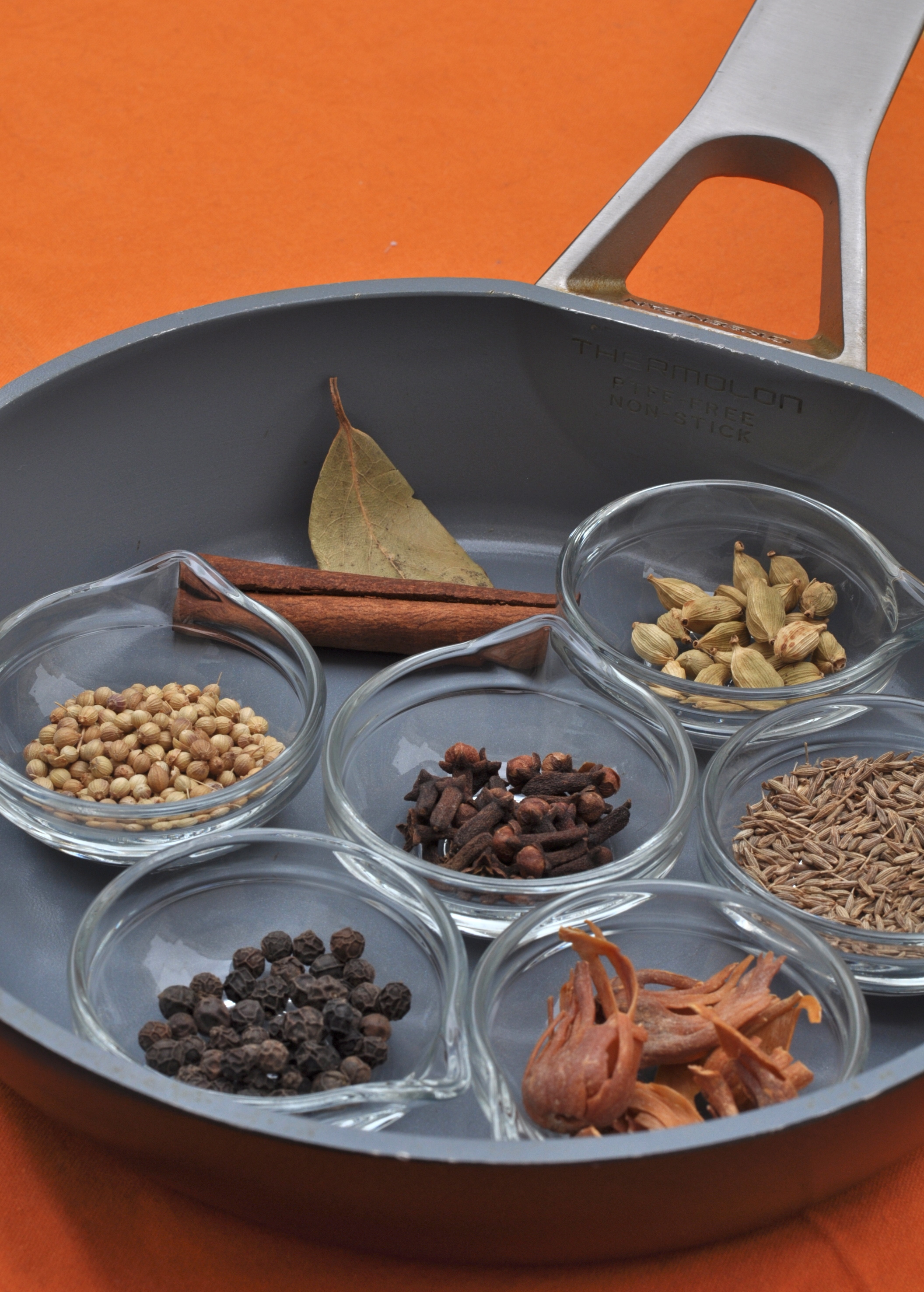
  • 3 tablespoons coriander seeds
  • 2 tablespoons cumin seeds
  • 2 teaspoons black peppercorns
  • 6 green cardamom pods
  • 1inch piece cinnamon stick
  • 3 blades of mace
  • 6 cloves
  • 2 dried bay leaves

How to make:

Heat a heavy-based frying pan over moderate heat and lightly roast each spice (except the bay leaf) seperately, moving the frying pan around until the spice releases a fragrant aroma, this does not take long, about 30 seconds. Immediately transfer the roasted spice onto a cold plate.

Grind all the cooled spices plus the bay leaf in an electric spice grinder or coffee grinder and store in an airtight container.

Note:  After dry roasting the cinnamon stick and blades of mace, break them up into smaller pieces using a pestle and mortar! Your spice grinder or coffee grinder will thank you for this! Also tear up the bay leaf.

If you are not a big cardamom fan, break open the pods and use only the seeds.

If you can’t find mace blades use 1 whole nutmeg instead, break into chunks before dry roasting.

To dry roast or not to dry roast!  I guess that depends on the recipe in question and may also be a preference!  I tend to dry roast the whole spices if I am going to use the ground garam masala towards the end of cooking!
Storage:  Spices are best kept in airtight containers away from direct heat and sunlight. The recommended keeping time for ground spices and whole spices varies, with ground spices loosing their potency faster than whole spices! Let your nose, eyes and taste be  the judge when checking the freshness of your spices!  It is always best to buy small quantities of spices and replenish often.

Do you make up your own spice blends? Do you have any thoughts on dry roasting spices?

appetizers · store cupboard

vanilla infused olive oil

the vanilla bean

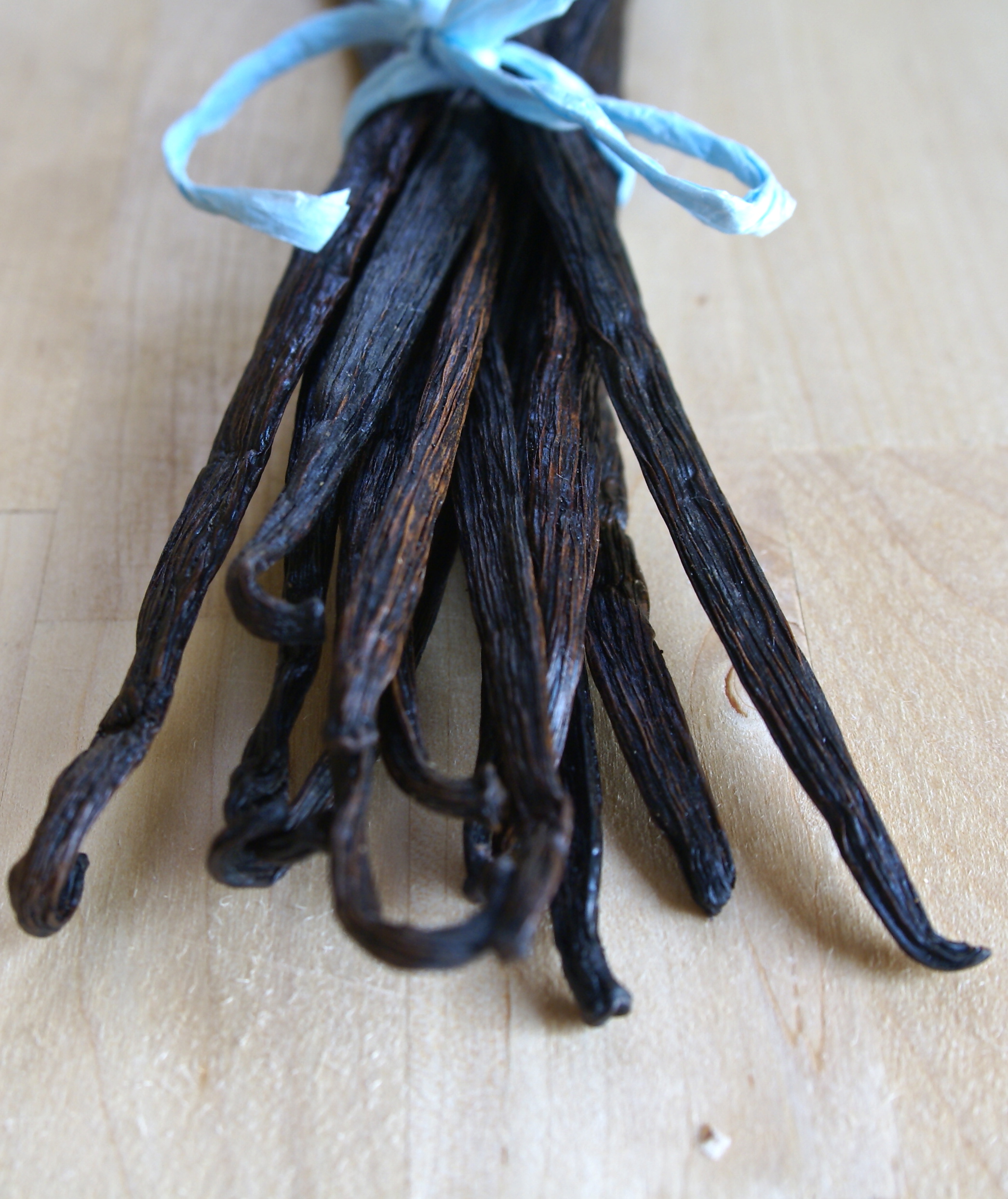
The vanilla bean is the fruit of a special orchid family of which there are thousands of varieties, but only one variety (vanilla plantifolia) bears anything edible. It is an expensive spice due to a labor-intensive and time-consuming process.

the maturing process

The vanilla orchid starts to flower around three years after planting. The flowers need to be pollinated so that the orchid can produce fruit, this is usually done by hand. The fruit which looks like a long green bean takes about two months to grow and a further eight months to mature before the green beans (also called a pod) are hand-picked for the next stage of the process. In order for the vanilla bean to develop its distinctive flavour and aroma, the hand-picked vanilla bean has to under go months of curing and drying before it can be used. By then the vanilla bean will have shrunk in size and have turned dark brown in colour. Cutting along the length of the vanilla bean reveals thousands of minute seeds which are used extensively in cooking. The three most common types are the Bourbon-Madagascar vanilla bean, Mexican vanilla bean and the Tahitian vanilla bean. Indonesia and India also grow orchids that produce vanilla beans.

recycle

I have a little stash of used glass bottles that I refuse to throw out because they look cute or I just like the shape (once they had some nice oils in them) and they look great when filled with your own infused oils. Most of these little bottles will hold about half or one cup of oil, so by infusing smaller amounts of oil at a time keeps everything tasting fresh. Putting the bottles into the dishwasher and running the hot cycle makes sure that they are really clean and sterilized before using.

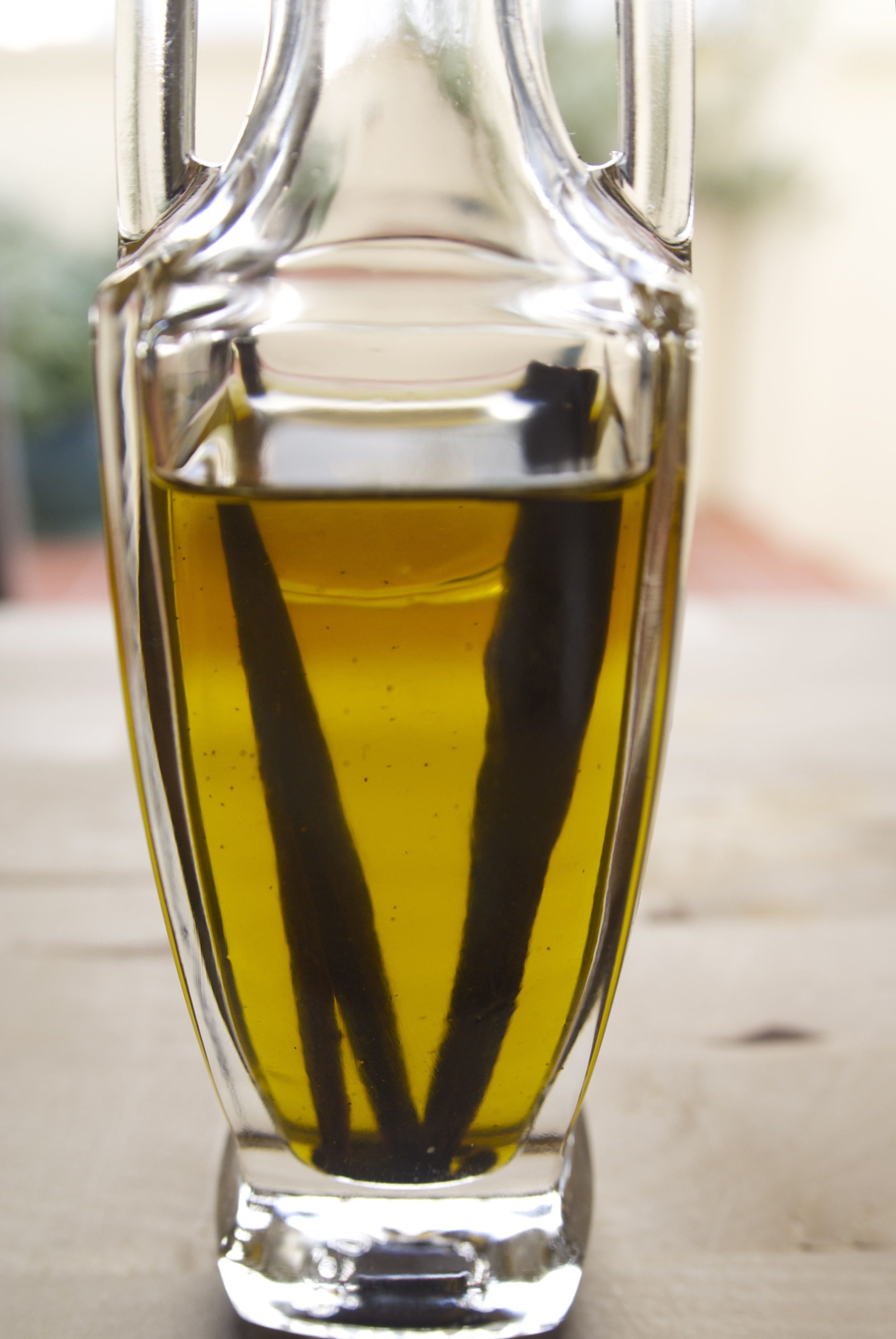
“No”…my camera sensor does not need a cleaning…it’s the minute seeds of the vanilla bean floating in the olive oil.

How to make vanilla infused olive oil

Fill a small bottle ( mine was 1/2 cup) with a good quality olive oil which I prefer to use, extra virgin oil has a stronger taste which competes with the flavour of the vanilla.

Run the tip of a sharp knife down the length of the vanilla bean to reveal all those minute seeds and pop the whole vanilla bean (or cut in half to fit the bottle) into the glass bottle. Close and give the bottle a gentle shake which will release some of the seeds into the oil.

Store the bottle in a cool dark place for about a week to two weeks, (depends on the strength of the vanilla bean used) remembering to give the bottle a gentle shake every other day to help with the infusing process. Do taste the oil after a week or so and if you are happy with the flavour you can start using it.  Remember…good things are worth waiting for!

This vanilla infused olive oil is a real store cupboard treat and one that I like to have a little supply at hand. The oil adds a hint of vanilla and sweetness  to my finished dishes, for example…drizzled over some crostini with lemon ricotta or a seafood risotto are one of my many culinary uses.

Look out for more vanilla flavour!

store cupboard

Dried Orange and Lemon Rinds

Getting rid of the guilt… do not throw out orange and lemon rinds!

I always felt a bit guilty throwing out the rinds of oranges and lemons after juicing. So now when I know that I will be juicing lots of oranges and lemons, I make plans to recycle the citrus rinds instead of throwing them into the rubbish (at least the bin smelt nice), it just seemed such a waste of so much scent and flavour.

Recycle

choose fruit that feels firm and free of blemishes

One of my favourite ways of recycling citrus rinds is to dry them or make candied orange peel. It’s a simple process and much more rewarding than having a rubbish bin that smells nice! Always choose citrus fruit that feels firm and free from any blemishes.

I always wash the citrus fruit in hot water and gently scrub with a vegetable brush, this  helps to remove the wax coating. Organic citrus fruit don’t always have this wax coating.

Removing the rind

When removing the rind of citrus fruit I use my swivel vegetable peeler ( y-shaped ) for the task, resulting in thin parings of citrus rind with none of the bitter pith. Avoid using a knife, it’s harder to get the same results.

Drying

Before juicing the citrus fruit,  pare the rind using the swivel vegetable peeler. I have a small dehydrator (not a necessity)  which I use for drying citrus rinds, but you can use an oven.

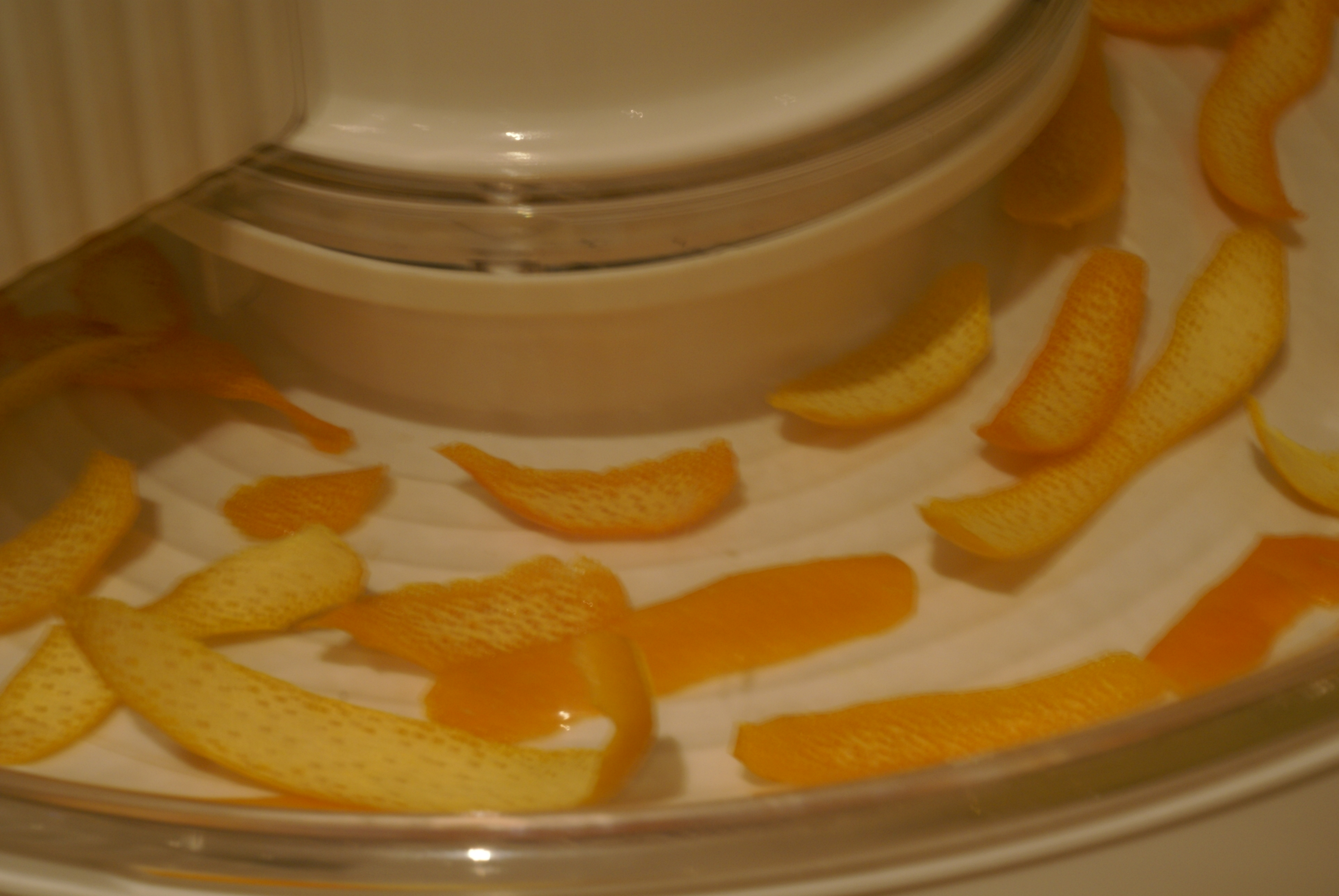
drying orange rind in a dehydrator

Take the prepared citrus rind and lay skin side down in a single layer on a baking tray. Place the tray into the oven and turn the temperature to its lowest setting. Drying the citrus rinds can take anywhere between one and  two hours, depending on how low the temperature of your oven can go. Aim for about 50C/122F setting or lower by propping the oven door open with a wooden spoon. Once the citrus rinds feel dry and crisp to touch, they are done.

OR

Take the prepared citrus rind and lay skin side down, in a single layer on a baking tray. Leave the citrus rinds to air dry for a day or two until dry and crisp.

Store the dried citrus rind in a clean jar or airtight container until needed. A great store cupboard item to have.

Ways of using the dried lemon and orange rind:

  • I like to add a few pieces of dried lemon or orange rind into some of my marinades and dressings, infusing them with citrus flavours.
  • When making a fruit salad I like to add some dried pieces of lemon and orange to marinate with the fruit for a few hours, removing them before serving.
  • Sometimes I like to add dried lemon to my green tea.
  • I like to infuse a jug of water with some dried lemon, giving a slight citrus taste to the plain water.
  • At Christmas when making mulled wine my dried citrus rinds come in handy.
  • When I am roasting fish, meat, poultry or vegetables I will throw in a few pieces of the  dried citrus rind into the roasting pan to add a citrus note to the food…e.g. I add lemon with white fish, orange with salmon, lemon with lamb and chicken, orange with duck and orange with carrots and pumpkin.

This list could go on but hopefully I have given you enough good reasons for ”  not throwing out your orange and lemon rinds”.

Do you dry citrus rinds? What is your favourite way of using them?