food + drink · salads

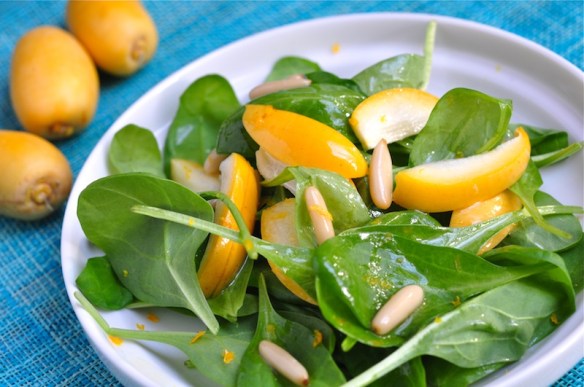
crunchy dates, spinach and pine nut salad with orange vinaigrette

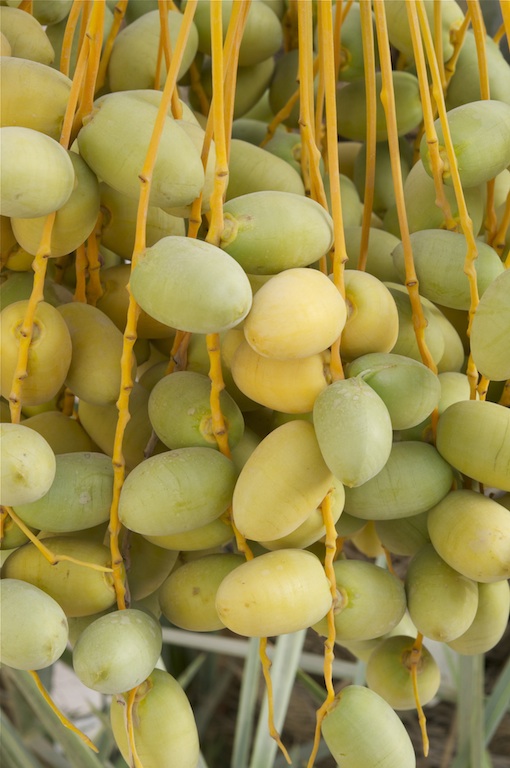
Depending on personal taste dates are sometimes eaten and enjoyed at various stages of ripeness and just like my other half, many people like eating dates that are firm and have not matured to full ripeness! These dates referred to as bis-err (phonetically spelt), are crisp, a little fibrous and have a slight puckering mouthfeel when first chewed… but then release this mild honey-sugarcane like sweetness with a slight nuttiness, which is really quite pleasant!  Sold at markets, each variety of date has its own colour and taste.
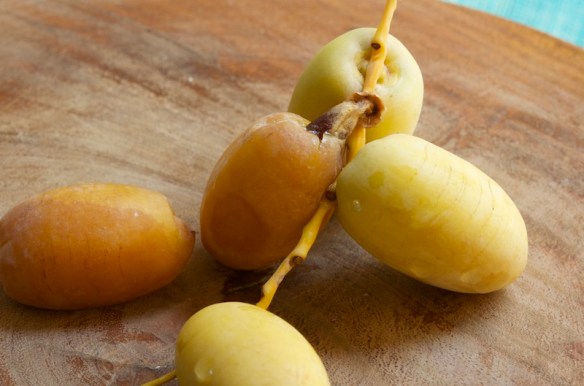
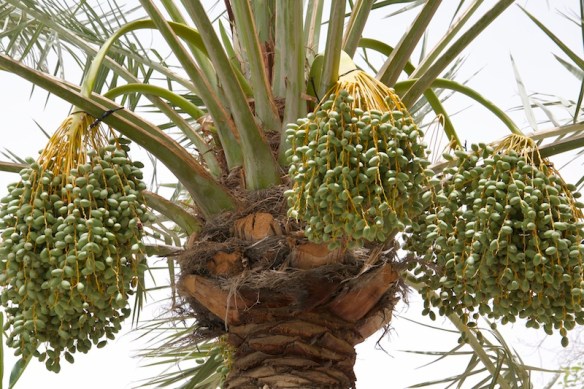
My preferences are fresh and dried dates, however, I have grown to like the taste of firm dates (bis-err) which are very different from the sugary sweet and almost gooey fresh dates, also in the photograph above. As you can see not all dates ripen at the same time.
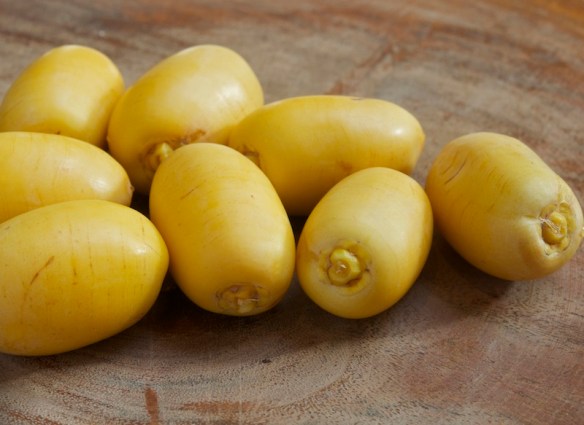
With a bag-full of baby spinach in the fridge and these crunchy dates reminding me of apples, I decided to make a quick salad with an orange vinaigrette dressing for a quick bite to eat. Serving this salad with a nice piece of grilled fish would have made a more filling meal… but I was trying to make up for all those sweet ripe dates that I have overly consumed lately!

When making a leafy salad one piece of kitchen equipment that I would not be without is my salad spinner. Why go down the Mr Bean route, stuffing wet lettuce leaves in a sock and swinging them around, spraying water all over the place!
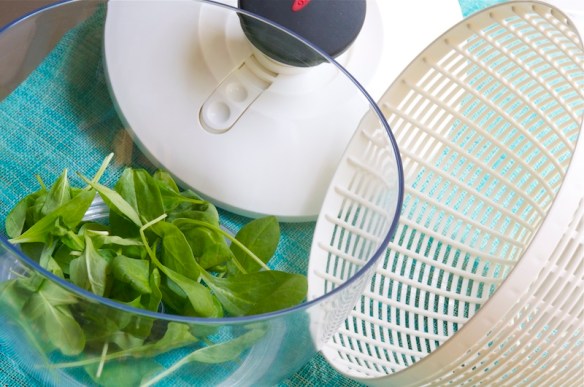
Using endless pieces of paper kitchen roll to dry each salad leaf seems such a waste and takes time,  a quick couple of spins in a salad spinner and your done! Great for storing  washed salad leaves in when entertaining… ready for those last minutes needed to assemble and dress a salad quickly, especially when using delicate leaves like baby spinach!

Crunchy Dates, Spinach and Pine Nut Salad with Orange Vinaigrette 

Ingredients:

  • 1/4 cup pine nuts, lightly toasted
  • 4 large handfuls of baby spinach leaves, washed and dried
  • 12 firm dates, cut in half, stone removed and sliced thinly or you can use soft dried dates instead

For the vinaigrette

  • 1 teaspoon orange zest
  • 4 tablespoons orange juice
  • 1 teaspoon balsamic vinegar
  • 2 teaspoons apple vinegar
  • 1/4 teaspoon honey
  • 6 tablespoons olive oil
  • fine sea salt, to taste

How to make: First make the dressing and set aside. In a large salad bowl add the pine nuts, baby spinach and dates. Just before serving pour over the orange vinaigrette and gently toss all ingredients together. Serve immediately. Serves 4.

How to make vinaigrette: Add the orange zest, orange juice, balsamic vinegar, apple cider and honey into a bowl. Slowly pour in the oil while whisking continuously until well emulsified. Season with salt. Set aside for about 10 minutes for the flavours to mingle before using. The salad dressing can be made several hours in advance, covered and stored in the fridge.
 

food + drink · mains · posts

lamb and vegetable stew with arabic flatbread – thareed

Stewing is an age-old method of cooking and history suggests that these types of dishes have been around since the advent of clay pottery. From gumbo to Irish stew many cultures from around the globe have some type of stew recorded in their culinary repertoire. Coming from an Irish upbringing stews play close to my taste buds heart as Irish Stew (also lamb and vegetables) is a national favourite!

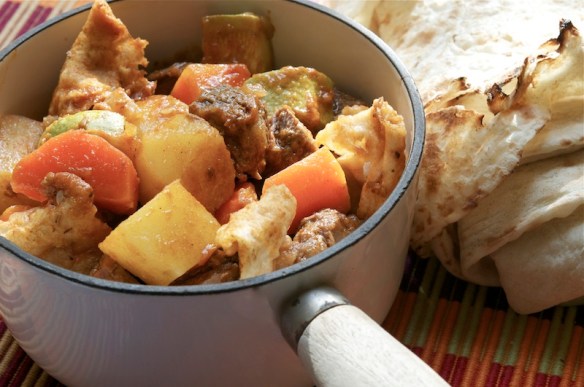
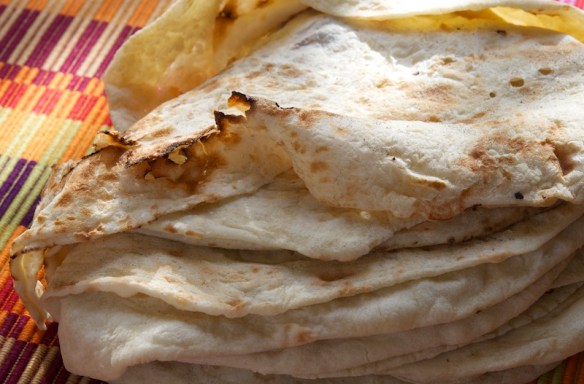
Thareed is a stew consisting of lamb and vegetables that have been slowly simmered in a spiced tomato based broth. Once cooked, torn pieces of thin flatbread (khoubz) are added, soaking into the flavorsome broth, making the dish a complete meal in itself! Thareed is a popular dish eaten during Ramadan and served for Iftar, the first meal eaten after fasting.

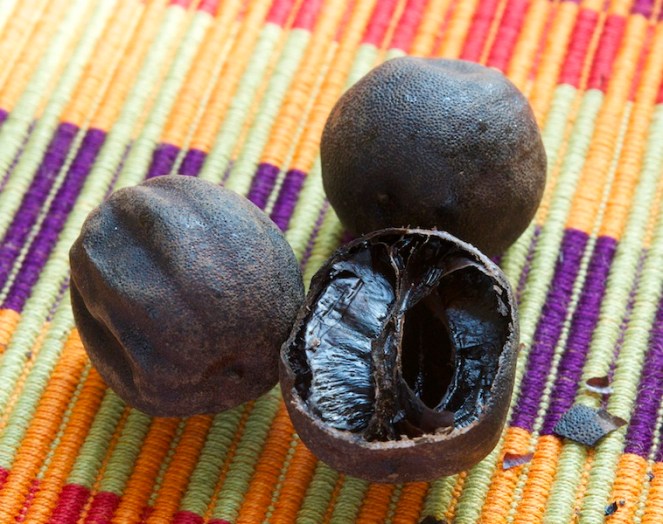
Dried black lime (loomi aswad) added to the simmering broth of thareed imparts a delicious sweet-tangy flavour which is quite unique! Piercing with a knife beforehand allows the broth to permeate the dried lime, releasing its wonderful flavour, that I believe cannot be substituted in the same way using fresh lime or lemon zest!

These small limes are boiled for a short time in salted water and left to dry out in the sun or in a dehydrator, turning them tan or black in colour depending on the length of time spent drying. Throughout the middle east dried limes are used as a souring agent in cooking and are also ground and used in spice mixes and marinades! Sometimes these dried limes are called whole black lemons or lemon powder… somehow the name may have got lost in the translation… but dried limes they are!

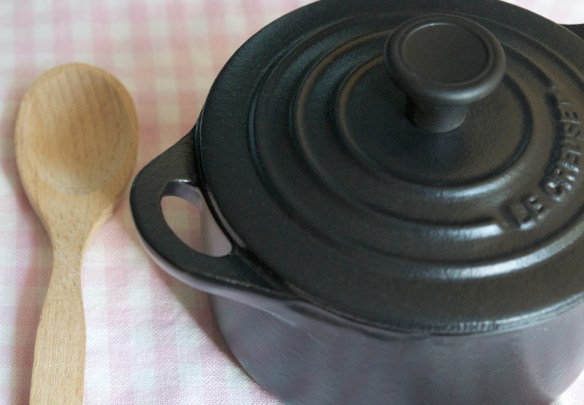
Long and slowly simmered stews deserve the best cooking pots  and my preference is a heavy gauge pot with a tight-fitting lid (also called a Dutch oven), which can be used either on the stove top or in an oven. The food can also be served straight from the pot itself, making washing-up a breeze!

Slow simmering stews with wafting aromas are usually associated with cold blustery winter days, however living in Bahrain with a 45 celsius summer heat  leaves me with the only suggestion… turn your air-conditioning to full blast and tuck in!

Thareed

Ingredients:

  • 1kg lamb shoulder chops
  • 2 tablespoons vegetable oil
  • 2 large onions, peeled and chopped
  • 2 garlic cloves, peeled and crushed
  • 1inch piece fresh ginger, peeled and finely chopped
  • 2 teaspoons Baharat (Arabic spices, see note below)  or your favourite mixed spices
  • 1 teaspoon whole coriander seeds, lightly crushed
  • 4 large tomatoes, roughly chopped
  • 4  heaped tablespoons of tomato purée
  • 4 tablespoons chopped fresh coriander
  • 4 cups of water
  • 2 small whole dried limes, pierced with a knife
  • 2 inch piece of cassia bark or cinnamon stick
  • 3 whole green chilli
  • 2 teaspoons salt
  • 3 large waxy potatoes, peeled and cut into chunks
  • 2 large carrots, peeled and cut into chunks
  • 4 baby courgettes, cut into chunks
  • 1 or 2 piece (approximately) of thin flatbread (khoubz)

 How to make: With a sharp knife, remove the meat from the bone, trim excess fat and cut into cubes, do not discard the bones as they will be used for flavour.

In a flame-proof casserole dish or heavy based saucepan placed over high heat, heat the oil until hot. Add the lamb and bones in batches and brown on all sides, transfer each batch to a plate when browned. Set aside.

Reduce the heat to medium, add the onion, cook until soft and golden. While cooking the onion you may notice the bottom of the pan getting brown, adding a little water will help loosen the brown bits from the bottom while stirring with a wooden spoon. Add the garlic and ginger, cook for about 30 seconds stirring continuously, next add in the mixed spices and coriander seeds, cook for a further 30 seconds. Add in the tomatoes, tomato purée, fresh coriander, lamb and bones, stir all together.

Pour in the water, add the dried lime, cassia bark or cinnamon stick,  green chilli and salt.  Cover with a tight-fitting lid and simmer very gently for 1 hour.

Add the potatoes and carrots into the stew cover and continue to gently simmer for another 40 minutes. Add the courgettes, cover and simmer for another 15 minutes or until tender.

Once the stew is finished cooking and meat and vegetables are tender, taste  and add more salt if necessary. Tear the bread into 3 or 4 inch pieces and gently mix into the dish, the bread will soak into the broth, no dry bits of bread should be visible. Serve straight from the cooking pot or place into a large serving bowl. Serves 4 to 5 people.

Baharat is the Arabic word for spice mix which may consist of a mix of ground black pepper, cinnamon sticks or cassia bark, cumin, coriander, cloves, cardamom, chilies, turmeric and nutmeg in various quantities. The souks in Bahrain have a wonderful variety of whole and ground spices.

What is your favourite stew?

posts

fresh dates and pollination

Emerging female flowers of the date palm

The arrival of date season brings an abundance of fresh dates and many varieties of this delicious fruit are available in shops, markets and stalls across the Island. Being a bit of a food stalker, these photographs were taken at different times throughout the year and like the lemon tree,  I wanted to share the incredible magic of mother nature.

February: Having date palms in the garden makes date season magical…  witnessing the first cluster of flowers emerge (shown above) among the fronds of the female date palm… to the growing and ripening stages of this sweet-sticky delectable fruit.

A cut branch of male flowers containing pollen

Hand pollination of a date palm

Male date palms do not produce any fruit, however their flowers contain pollen which enable the female date palm to produce fruit when pollinated.
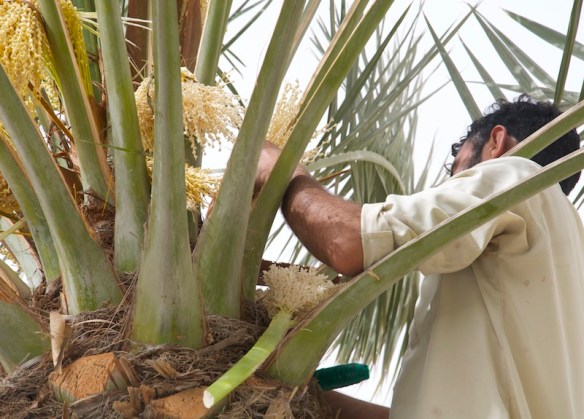
March: In the photograph above hand-pollination is taking place… smearing male flowers (containing pollen) over the female flowers. Also tying a few strands of male flowers among the female flowers.

Pollinated fruit beginning to grow

Pruning a date palm

March: A couple of weeks after pollination fruit starts to form and will continue to grow, mature and ripen over a period of months!
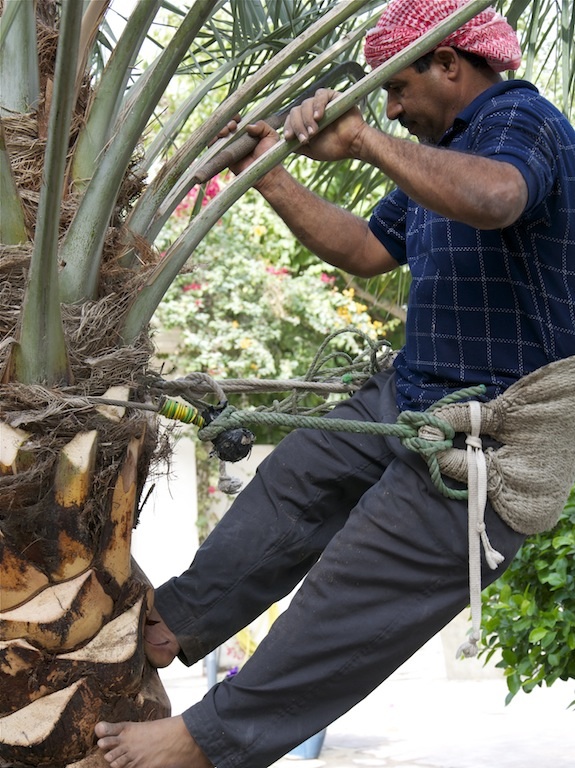
Date palms and the growing fruit need pruning and tidying and the meager garden sheers will definitely not be up for the job…  some special tools are definitely required. With his knowledge and years of experience with palm trees… Bu Ahmed arrives with his climbing harness and scythe… and this is where my gardening skills truly end!

Climbing harness for palm trees

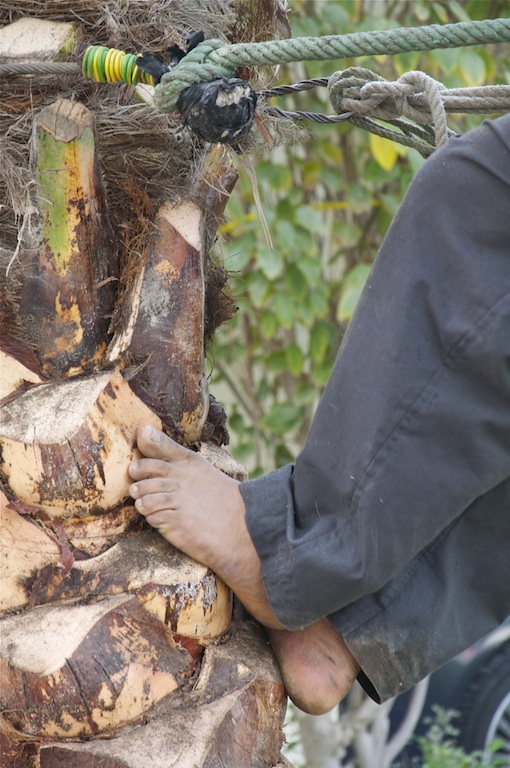
 Bare-foot and attached by a harness, Bu Ahmed climbs the palm tree, quickly pruning away sharp thorny spikes from the lower fronds and tidying its trunk… making it all look so effortless!

Tying cluster of un-ripe dates

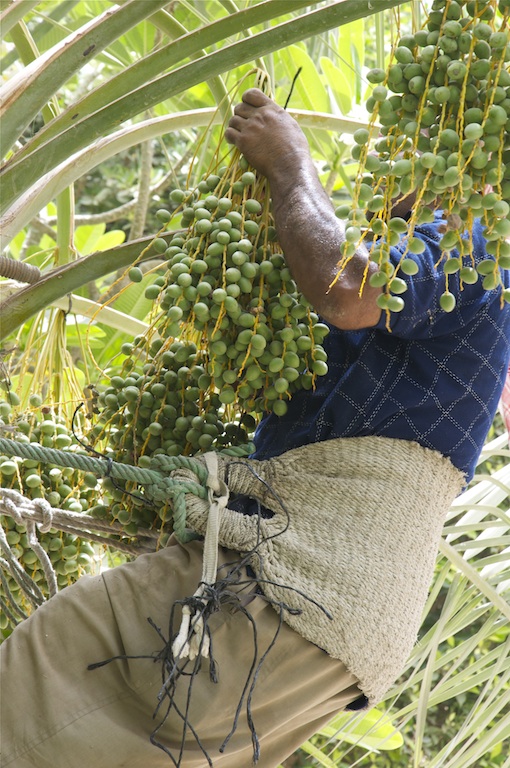
May:  Pulling and tying down the heavy laden branches with un-ripened fruit makes the fruit easier to reach when ripe and at the same time beautifying the tree.

Some thinning of the fruit clusters had been necessary and cutting away parts of the clusters encourage dates to reach maximum growth, also ensures better air-flow around the fruit. Thankfully nothing every goes to waste with a palm tree and the wheelbarrow full of cuttings with un-ripened fruit is used for cattle feed!

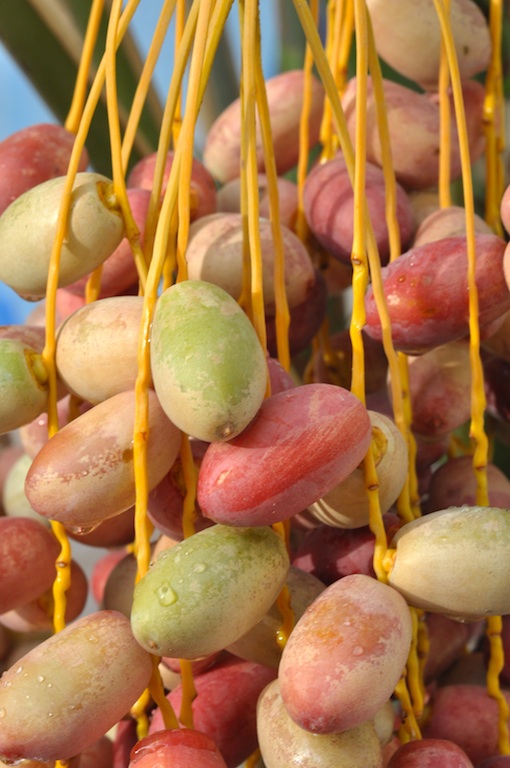
June: Different varieties of dates  (mentioned in an earlier post) develop their own characteristic colours while ripening, shown in the photographs above and below.

July – August: Some dates have ripened (very quickly) and this is where all the sweetness begins… ! Most will be shared among family and friends, some enjoyed simply as they are, others used with cake and dessert recipes and some frozen for later use.

What is your favourite date recipe?